


In a highly complex economic and political landscape, maritime pressure tactics intersect with energy calculations and international balances, pushing Iran toward previously unconsidered negotiating options.
In an analytical reading presented by political researcher Wajdan Abdul Rahman, specializing in Iranian and Middle Eastern affairs, during his appearance on the “Business with Lubna” program on Sky News Arabia, the outlines of a qualitative shift in the nature of the pressures imposed on Tehran are revealed. Sanctions are no longer merely a burden on society; they are now striking at the very heart of the regime’s economic and security structure, thus imposing a negotiating path governed by direct pressure on the key sectors of the oil economy.
The Economic Blow: Shocking Figures
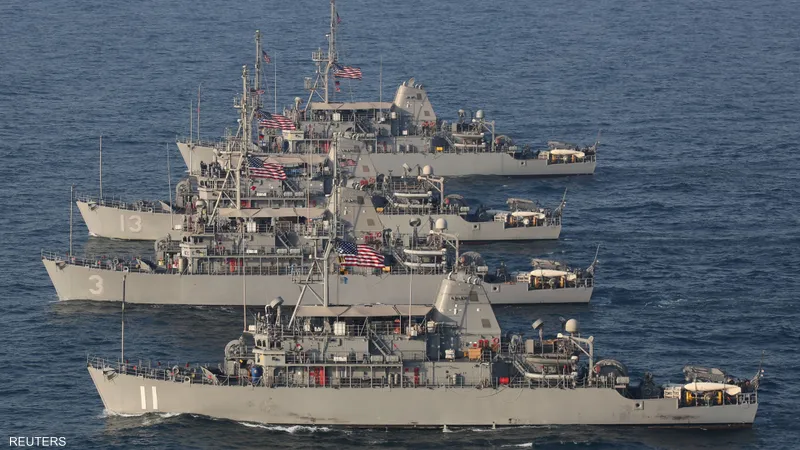
Iranian government data reveals the scale of the economic catastrophe the country is experiencing. Losses in the first forty days of the war exceeded $270 billion, while the maritime blockade is costing the Iranian economy more than $450 million daily. The Trump administration imposed a tight naval blockade preventing ships from entering and leaving Iranian ports, while simultaneously targeting Iran’s economic powerhouses: petrochemical plants, fuel depots, steel mills, water stations, and bridges.
Economic pressure that goes beyond traditional sanctions
Abdul Rahman believes that Iran’s primary motivation for engaging in negotiations stems from the profound impact on its economy, not only on general indicators but also on the operational structure of its energy sector. He points out that Iran’s domestic storage capacity is approximately 60 million barrels, a capacity that is beginning to fill due to the disruption of exports. This situation presents Tehran with a severe operational dilemma, as the continuation of the sanctions forces it to shut down some oil wells, which would have far-reaching negative consequences for the economy.
